

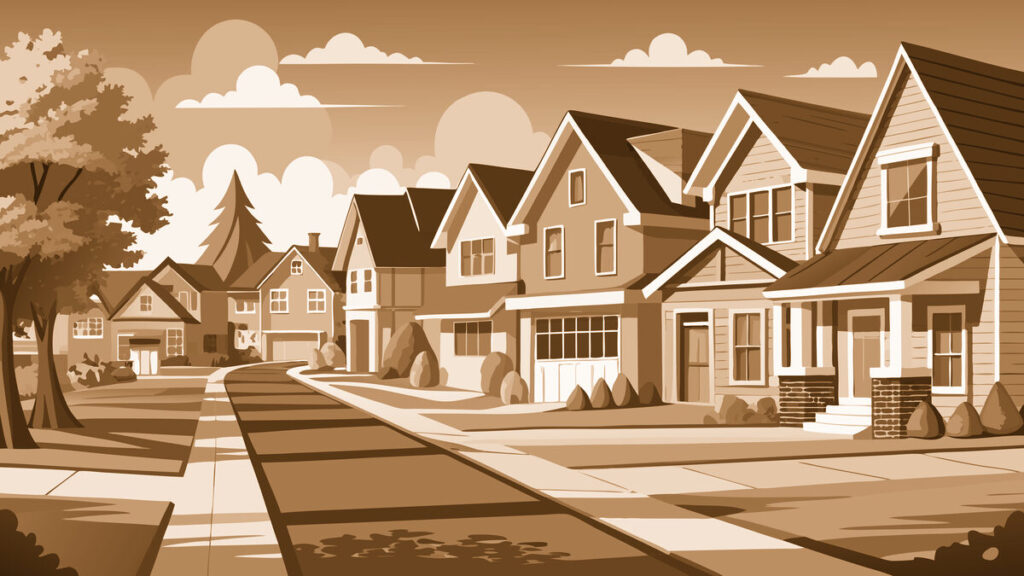
Discovering Fort Sill North: Where Heritage Meets Community
Nestled in the northern shadow of Lawton, Oklahoma, and hugging the southern edge of the iconic Fort Sill Military Reservation, Fort Sill North stands as a living testament to both military history and vibrant neighborhood life. As a longtime Lawton resident, I’ve watched these streets echo with the laughter of generations, the quiet pride of those who served, and the welcoming warmth of families who call this unique neighborhood home. Join me as we journey through the origins, milestones, and the ongoing evolution of Fort Sill North—a place where the past shapes a bright and neighborly present.
Origins: A Neighborhood Forged in the Shadow of the Fort
The story of Fort Sill North begins, naturally, with Fort Sill itself. Established in 1869, Fort Sill was instrumental in the settlement and defense of what was then the western frontier of Indian Territory. Around the turn of the 20th century, when Lawton was founded just to the south, families connected to the fort—both military and civilian—began settling in the adjacent area just north of town, in what would become known as Fort Sill North.
The neighborhood’s name pays homage to its proximity and deep ties to the fort, which has been a pillar of Lawton’s identity for over 150 years. Originally, this area provided housing for officers, enlisted personnel, and families whose livelihoods were intertwined with the comings and goings of Fort Sill. The north side—anchored by Fort Sill Boulevard and stretching toward Mow-Way Road—leaned heavily on the fort for both economic opportunity and civic life.
Key Historical Milestones
Fort Sill North’s heritage is woven into events that shaped both Lawton and the United States Army.
- Early 1900s – Growth and Community Formation: As Lawton boomed, driven by the fort and the expansion of railroads and trade, Fort Sill North developed its own sense of identity. Streets like Sheridan Road, Fort Sill Boulevard, and Cache Road became thoroughfares bustling with activity, local shops, and gathering spots for soldiers and families alike.
- WWI and WWII – A Hub of Support: During the world wars, Fort Sill North saw an influx of military families, many of whom resided in sturdy red-brick homes still visible today, especially along NW Pollard Avenue and near what’s now the Lawton-Fort Sill Regional Airport. Churches, schools, and small businesses catered to the ever-changing population, cementing the neighborhood’s reputation for resilience and hospitality.
- Civil Rights Era – Progress and Change: The mid-20th century brought waves of transformation, with Fort Sill North embracing diversity reflected in its residents. Lawton’s public institutions—like Eisenhower Middle School on NW Lincoln Avenue—became beacons of integration, and community centers welcomed families of all backgrounds.
- Modern Era – Preserving the Past while Looking Forward: In recent decades, the area has seen revitalization. Restoration of historic homes, investment in parks such as Lee West Park, and new housing developments have preserved the neighborhood’s welcoming spirit while adding fresh vibrancy for today’s residents.
Notable Landmarks and Institutions
Fort Sill North may not boast grand monuments, but to those who know its streets, the landmarks are rich with character and community value.
- The Historic Sheridan Road Corridor: Once a vital commercial artery, this stretch remains a connection between Lawton and the fort, lined with classic storefronts and long-standing businesses that have served generations.
- Eisenhower Middle School: A staple on NW Lincoln Avenue, “Ike” has educated countless local children and stands as a testament to the neighborhood’s commitment to public education and opportunity.
- Relics of Military Architecture: Drive along NW Pollard Avenue or take a stroll on NW Dearborn and you’ll pass enduring red-brick homes, some century-old, that housed soldiers and their families.
- Lee West Park: This community green space provides a gathering place for families, featuring playground equipment shaded by old-growth trees—many of which have witnessed decades of picnics, reunions, and youth sports.
Evolution Through the Decades
While the heartbeat of Fort Sill North remains steady, the neighborhood has adapted with each passing era. In the postwar years, new subdivisions appeared, blending classic mid-century ranch styles with more contemporary single-family homes. The presence of Fort Sill Military Reservation continued to attract families from around the nation—each wave adding layers to the area’s culture.
Military retirees, young professionals, and local business owners have all found their niches here, fostering an environment that values both local tradition and global perspective. The influence of Fort Sill’s diverse personnel can be seen in the area’s churches, restaurants, and annual events—like the Fourth of July celebrations that light up the northern edge of Lawton with music, food, and fireworks.
Modern infrastructure improvements, such as re-paved streets and upgraded sidewalks, have made getting around the neighborhood safer and more accessible. Long-time establishments, such as neighborhood grocery stores and barber shops, coexist with new cafes and service providers, creating an atmosphere where every neighbor feels at home, no matter how long they’ve lived here.
What Makes Fort Sill North Special
To me, what truly sets Fort Sill North apart is the sense of heritage that walks alongside its forward-looking spirit. Where else can you savor the quiet dignity of history and the easy warmth of a friendly, open neighborhood?
On any given day, you might spot a young family walking a dog past an old officer’s home, hear stories from veterans sitting on shaded porches, or find children playing in the same parks their grandparents once enjoyed. It’s a place where resilience, hospitality, and service are more than just words—they’re a way of life, passed down through generations.
Conclusion: Welcoming Tomorrow, Honoring Yesterday
Fort Sill North stands as a reminder of Lawton’s enduring connection to Fort Sill and the diverse people who have shaped its story. Steeped in history yet lively with the energy of its residents, it’s a neighborhood that welcomes newcomers with open arms, while never forgetting the milestones and memories that make it special.
If you want to experience Lawton’s heritage, take a stroll down Sheridan, pause in Lee West Park, and chat with a neighbor—you’ll find that the story of Fort Sill North is still very much alive.